Septic System Do's & Don'ts
Proper septic system care involves more than just your regularly scheduled tank pumping and maintenance visits. These septic tank services, while important, cannot prevent damages caused by a household that is uneducated on the limitations, usage, and unique maintenance requirements of a residential septic system.
Unlike homes connected to city sewage systems, septic tanks impose unique constraints on water usage and sewage activities that many homeowners are unaware of. To protect your septic system from unintended damages and avoid frequent septic tank repairs, our professional plumbers at Jones Plumbing & Septic Services have compiled a comprehensive list of septic system best practices and common mistakes that homeowners should avoid.
Best Practices
Conserve Water
Depending on the size of your septic tank and drain field, it can be easy to overwhelm your system with water and sewage. Avoid overuse of water during the weekends or when hosting guests to prevent your drain field from flooding and your septic tank from getting too full. If you plan on using more water than normal, try to spread usage throughout the day to give your septic system more time to process the wastewater as it receives it.
Schedule Regular Maintenance
The best way to prolong the life of your residential septic system and avoid costly septic tank emergencies is by scheduling regular preventative maintenance visits. Our professional septic system maintenance company recommends receiving septic tank pumping services at least every 3-5 years, depending on the water demands of your household. Regular system inspections are also great ways to catch issues before they cause major inconveniences or other plumbing emergencies.
Protect Your Drain Field
While professionally installed and maintained septic drain fields are far from fragile, there are a few precautionary measures homeowners should take to protect their septic system from damage. Avoid putting undue pressure on your drain field by only planting grass above it, and discourage guests, residents, and visitors from parking above your drain field, wherever it may be located.
Use Septic-Friendly Products
Harsh chemicals, such as bleach, drain cleaners, and pesticides, can threaten the healthy balance of bacteria in your septic tank that work to break down bioactive waste and contaminants. To protect your septic system, consider using natural, biodegradable cleaning materials that are safe to pump into your septic tank and drain field.
Upgrade Your Fixtures & Appliances
A good way to reduce water waste in your household is by upgrading your fixtures and appliances. Modern appliances contain water-conserving technology that decreases the load placed on your septic system during typical household activities, such as showering, doing laundry, and using the restroom.
Things To Avoid
Garbage Disposals
Despite their supposed convenience, households using a septic system should avoid installing garbage disposals at all costs. Garbage disposals merely break down solid materials into smaller pieces, where they are then left to degrade slowly inside your septic tanks. Solid waste, such as food, grease, and oil, is not meant to be processed by most residential septic tanks. Over time, these materials build up, disrupting the function of your septic system.
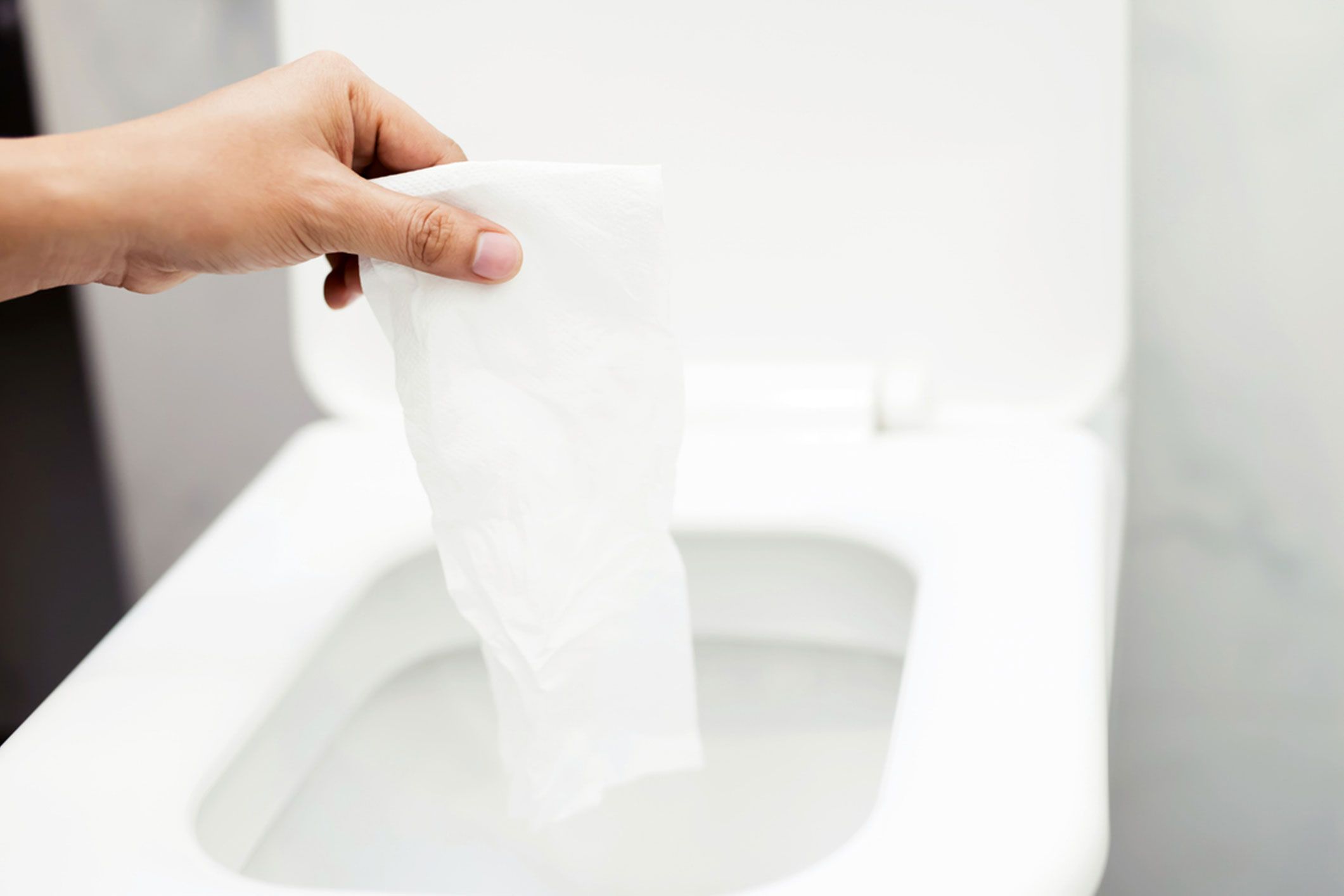
Flushing Anything Besides Toilet Paper
Septic systems are not designed to break down non-biodegradable products, such as wipes, feminine hygiene products, cat litter, and more. To protect your septic system, avoid flushing anything besides waste and toilet paper. Even supposedly flushable wipes should not be flushed down your septic system!
Greases or Oils
Greases and oils can solidify inside your pipes and septic tank, resulting in blockages that can severely impact the function of your septic system. To dispose of hard greases and oils, homeowners should allow these liquids to solidify before throwing them away in the regular garbage can.
Festering Leaks
If left unresolved, leaks can overwhelm your septic system, resulting in your septic drain field being unable to process your household's everyday water demand.
Contact Jones Plumbing & Septic Services Today!
Don't let your own carelessness leave you with a broken septic tank! Jones Plumbing & Septic Services is happy to help our customers learn the best way to take care of their residential septic tank and drain field to avoid future septic system failures and emergencies. To learn more about the services we offer or to schedule a septic system consultation, reach out today!