5 Steps Businesses Should Follow To Stay Grease Trap Compliant In Florida
Grease traps are important for keeping fats, oils, and greases (FOG) contained and out of waterways. To accomplish this, they must be properly maintained to keep up with local FOG regulations. Here are 5 steps to ensure your North Central Florida business is grease trap compliant.
Maintain Grease Traps
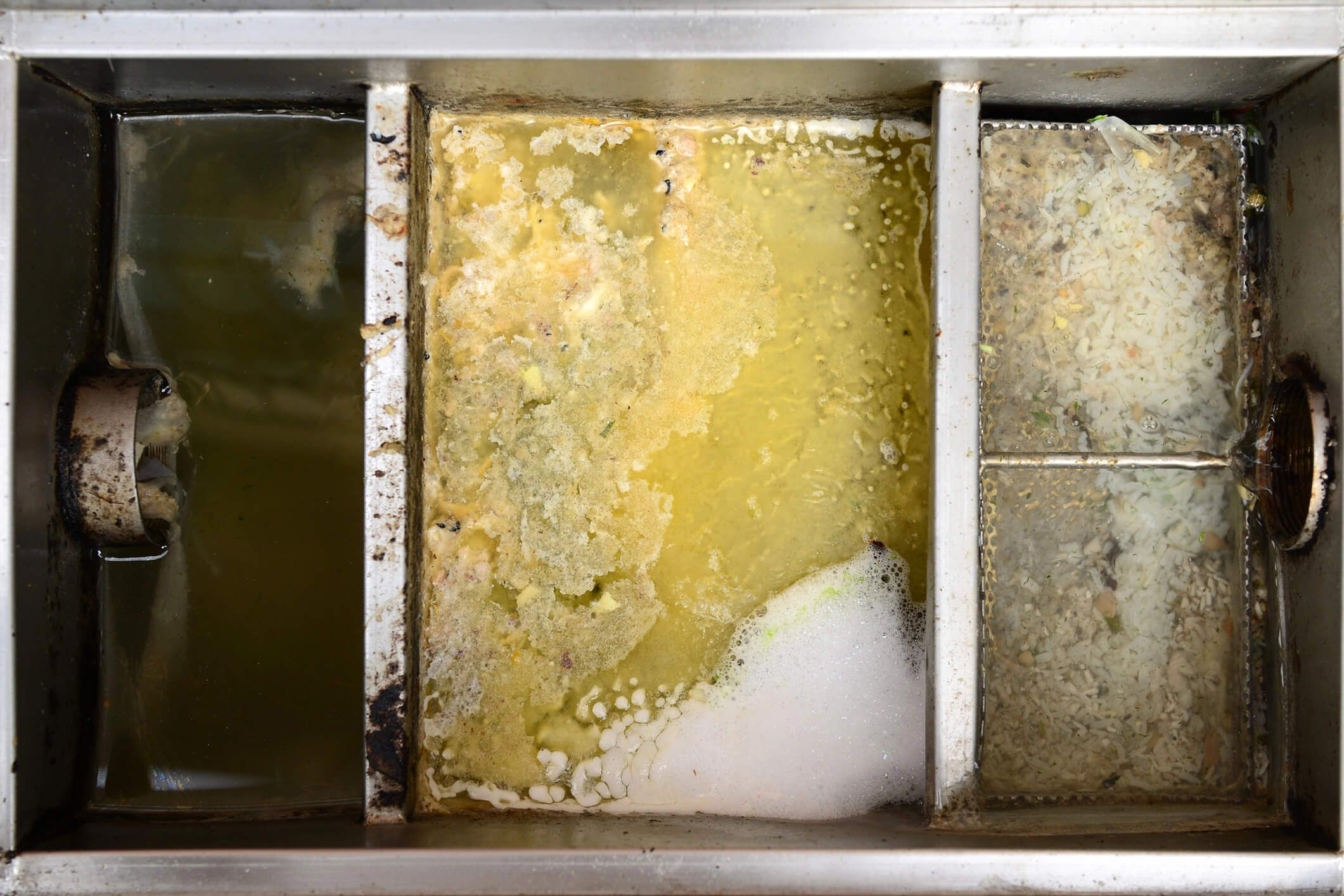
Keeping grease traps properly maintained is integral to managing FOG and preventing it from entering sewer systems. FOG must be removed from grease traps routinely. Maintenance is usually a monthly process, but more frequent cleaning might be necessary to make sure grease levels stay under 25%. Don't use chemicals to clean grease traps, as they can emulsify FOG and allow it to enter and clog plumbing. Pay attention to grease trap compliance regulations to make sure you're staying on track with any new changes. Jones Plumbing & Septic Tank Service provides professional grease trap maintenance services to Gainesville, FL, and beyond.
Implement Grease Trap Training
Implement a training system to educate employees and keep them up to date on grease trap compliance. This should include instruction to never pour grease down drains, use strainers in sinks, scrape food from dishes before washing them, and what to do in the event of an overflow or blockage. Post "No Grease" signs over sinks and dishwashers to remind employees of proper FOG procedures.
Keep A Maintenance And Repair Log
Florida FOG regulations require businesses to keep detailed records of grease trap maintenance and repair. These records must include the time and date of maintenance, the type of maintenance (cleaning, inspection, repair), any notable maintenance completed, the name of the maintenance service provider, and the volume of grease removed. They must be kept for a minimum of three years.
Don't Pour Grease Into Sewer Systems
Pouring liquid FOG down the drain causes buildup and pipe blockages once it solidifies. This buildup can range from small clots of solid fats to rock-like masses known as fatbergs. Releasing grease into sewers is also illegal in the state of Florida, resulting in fines of up to $5,000 for multiple violations and possible business license suspension.
Store And Dispose Of Used Grease
It is important to properly store and dispose of used FOG. Depending on your location, it's likely that you can recycle used cooking oil. Used cooking oil is primarily recycled into biodiesel, but other applications include soap, rubber, and industrial lubricant. Jones Plumbing & Septic Tank Service makes this process simple with our grease hauler service. We transport all stored grease to an approved facility for disposal or recycling so that you have one less thing to worry about when ensuring grease trap compliance.
Jones Plumbing & Septic Tank Service delivers quality grease trap cleaning and maintenance in Alachua, Levy, Gilchrist, Columbia, and Dixie County. We stay up to date with waste management and environmental regulations so we can provide the best possible service. Call today to request grease trap services for your business!